For over a decade, the Women’s Asia Cup was not just dominated by India, but practically defined by them. Winning the first six consecutive titles from 2004 to 2016, India operated in a league of their own. However, the modern era has challenged that monopoly and a lot of factors contributed to the shift. From the major change in the tournament format to the landmark triumphs by Bangladesh in 2018 and Sri Lanka in 2024- all came together to fundamentally transform the tournament.
The catalyst: Switching to T20 cricket
The turning point in regional parity began when the Asian Cricket Council shifted the tournament format from 50-over One Day Internationals to Twenty20 Internationals. The longer ODI format heavily favours sides with deep rosters and superior technical endurance, making upset victories rare.
By contrast, T20 cricket leaves little room for error. A quick 20-ball burst, two disciplined overs, or one inspired individual performance can change the tone of any match. There is hardly any favourite in a T20 game. The T20 format has successfully narrowed the gap between teams, giving emerging nations a realistic tactical opening to challenge and defeat established powers.
Breaking the monopoly: Bangladesh (2018) and Sri Lanka (2024)
The myth of Indian invincibility first cracked in Kuala Lumpur during the 2018 Asia Cup. Bangladesh women, led by all-rounder Salma Khatun, executed a disciplined campaign that culminated in a historic, last-ball final victory over India. Key performances from Rumana Ahmed, the Player of the Match in the final, and reliable contributions from Nigar Sultana proved that tactical execution and composure under pressure could bridge the talent divide.
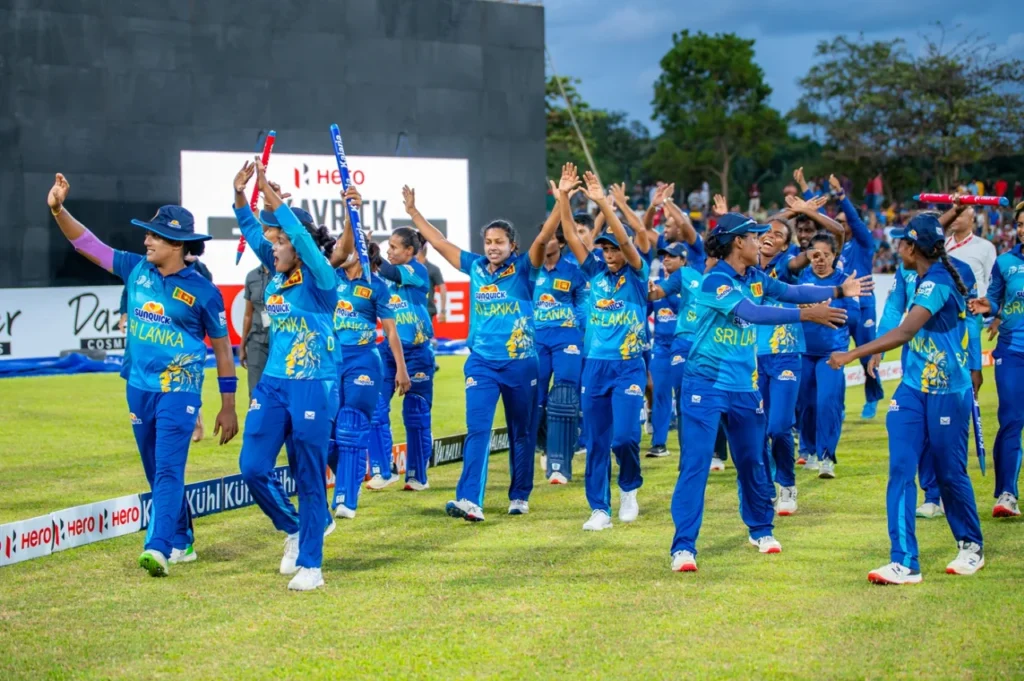
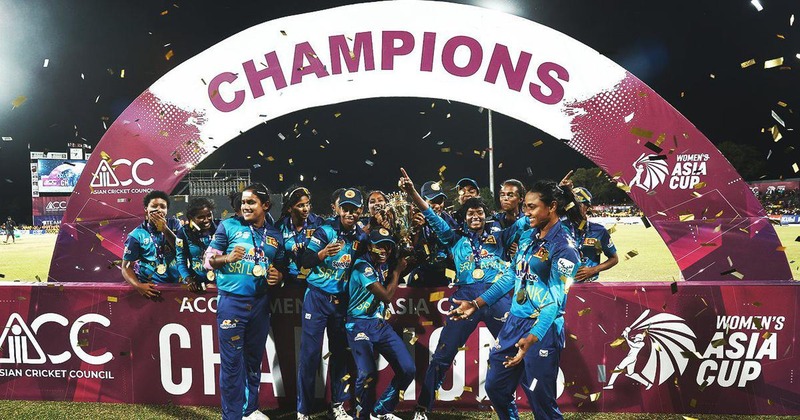
Six years later, Sri Lanka women confirmed this transformation at home in Dambulla. Guided by captain Chamari Athapaththu, whose attacking batting redefined expectations, the team completed an impressive chase against India in the 2024 final. With decisive support from Harshitha Samarawickrama and Kavisha Dilhari, Sri Lanka showed that Bangladesh’s 2018 victory was not a one-off upset, but a model other Asian teams could follow.
Also read: Women’s Asia Cup: 5 Most Memorable Matches
Key trailblazers driving the T20 paradigm shift
The end of India’s monopoly was not simply the result of tactical luck. It was driven by a new generation of dynamic Asian players specialized in T20 skills who could repeatedly change the course of matches. Asia’s T20 surge has been powered by standout players with match-shaping skills.
Chamari Athapaththu remains Sri Lanka’s chief catalyst, using fearless boundary-hitting to pressure elite attacks from the start. Harshitha Samarawickrama adds calm in chases, while Kavisha Dilhari balances the side with useful off-spin and late-order hitting. Bangladesh rely on Nigar Sultana Joty’s finishing, wicketkeeping leadership, and Nahida Akter’s economical left-arm spin to control tight games. Marufa Akter brings rare pace and inswing with the new ball. Thailand’s Nattakan Chantham, an associate-cricket pioneer, shows that emerging Asian nations can produce batters capable of challenging top teams consistently.
Bridging the gap: Leagues and grassroots investment
This democratization of Asian cricket is no accident. The bridge across skill levels has been built through structural development. The rise of global domestic competitions, such as India’s Women’s Premier League (WPL), Australia’s WBBL, and regional domestic T20 leagues has provided associate and emerging full-member players vital exposure to elite match situations and high-performance setups. National boards in Sri Lanka, Bangladesh, and Thailand have increased central contracts, expanded talent scouting, and scheduled frequent A-team tours to build international-grade depth.
Today, every team participating in Women’s Asia Cup has a shot at winning. This is what makes every edition of the tournament an exciting and unpredictable spectacle. Powered by a quiet yet meaningful revolution, the Women’s Asia Cup has now evolved into a thrilling, competitive multi-team tournament that serves as a catalyst for the growth of women’s cricket across Asia.
For more news & updates, follow The Crichub on Instagram, X and YouTube