Maligned, demeaned, an afterthought. The Australian attitude towards Bangladesh cricket might not be unique but it has been pretty constant. Stretching back to the broadcasting days of Richie Benaud, through to Shane Warne in 2005 and right up to the present day with The Grade Cricketer’s Ian Higgins, the pattern of thinly veiled contempt for the cricket culture of South Asia’s most populous country has been ever present.
By regularly calling for Bangladesh’s Test status to be stripped, Benaud and Warne represented unlikely gatekeepers of international cricket. While Higgins’ irony when saying “I have no interest in learning these players’ names” went over the heads of most, it also tapped into the underlying sense of Australian superiority.
A dominant display
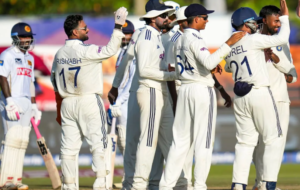
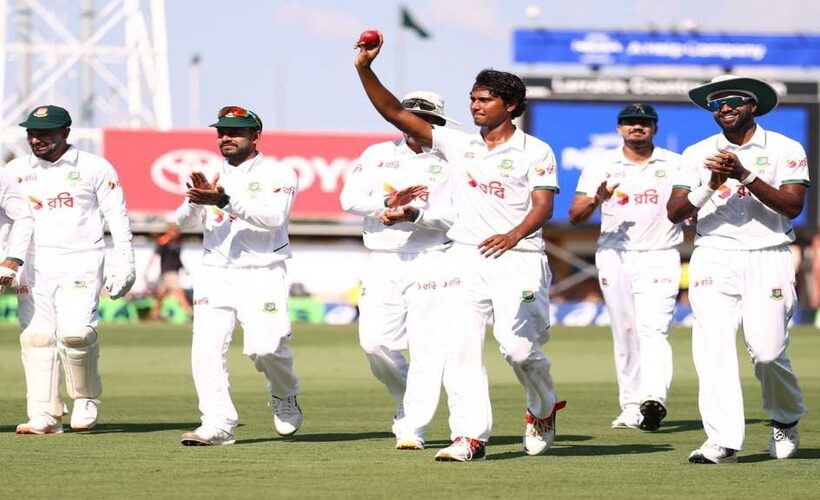
And that is partly why Bangladesh’s nine-wicket defeat – a thrashing in anyone’s book – of Australia at Darwin was celebrated with a rare fervour by players, administrators and fans alike. It was an objectively dominant display from the first ball to the last, from a team exuding a quiet confidence that hadn’t been seen previously, on such a consistent basis.
Owing to the vast chasm in terms of relative resources and the bona fide Australian greats in their starting eleven, it was an upset like no other. Not that you would necessarily notice from the subsequent media coverage.
Bangladesh not given enough credit?
The international cricket media has largely chosen to focus on Australia’s shortcomings and their “embarrassing” performance. Perhaps most oddly, for many the Darwin Test has been viewed primarily through the prism of England and Australia’s rivalry; naturally English fans have basked in Australia’s downfall while ruing a missed opportunity to beat their old foe at last winter’s Ashes.
And Australians have been quick to point out how much better Bangladesh have performed, compared to England during their miserable Ashes campaign. In this assessment, Bangladesh players have been treated like bit-part actors on someone else’s stage. Their names rarely referenced, let alone venerated as so many Australian or English players are, at times for the most inconsequential feats.
So let’s set the record straight; Bangladesh trounced Australia through a combination of skill and self-belief that wasn’t close to being matched. Najmul Hossain Shanto led the team with energy and empathy, Hasan Mahmud’s nine wickets in the match showed his control and durability, Mehidy Hasan Miraz’s excellent all-round game demonstrated maturity and Tanzid Hasan’s maiden century hinted at untold promise. There were other notable turns as well, the very least we can do is to remember their names and achievements.
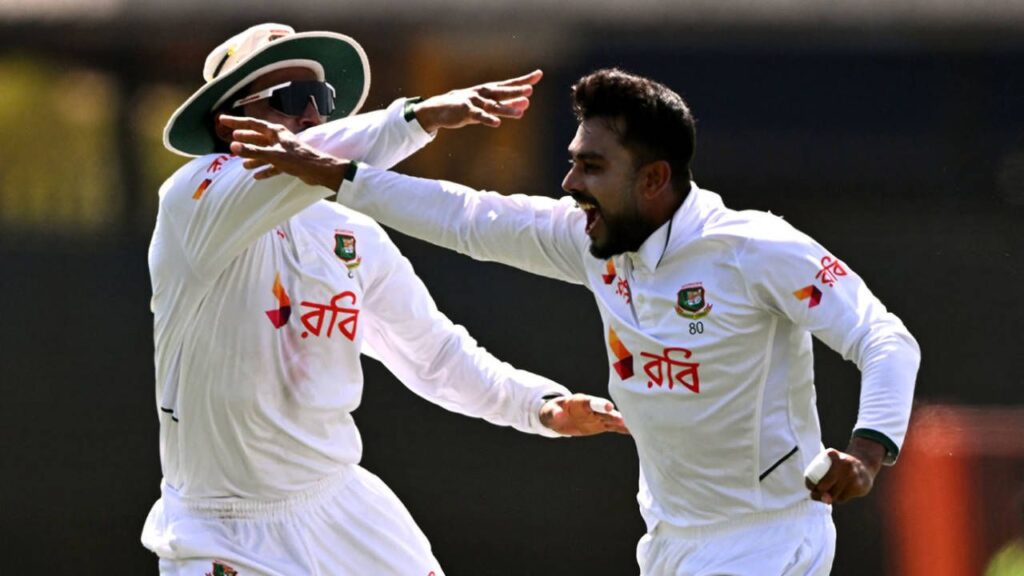
Determination, resolve and calm. Words that aren’t normally associated with Bangladesh’s cricketers. More often than not they are described as being too “emotional”, a lazy shorthand description, feeding a stereotype which characterises Bangladeshis as naive or lacking in intelligence. It’s a label that has stuck due to high-profile instances where almost certain victory has given way to defeat. But doesn’t that happen to most teams over a period of time?
In any case, the three and a half days in Darwin should banish that crude categorisation forever. Bangladesh maintained a self-belief throughout, which transcended into sheer bloody-mindedness. At no time was this more apparent than in the second innings. Tanzid, Mominul and Shanto had set things up at the top of the order, but three quick wickets with the new ball suggested that an Australian turnaround was in the offing and a Bangladesh lead of around 100.
No way back for Australia
Indeed, throughout the match most observers were expecting the hosts to come back into the game, rather than believe in Bangladesh’s dominance.
Yet, Miraz was able to show nerves of steel, batting with the tail to build a substantial and ultimately match-winning lead of 228. Hasan Mahmud’s epic 14 off 92 deliveries was typical of Bangladesh’s extreme will, not to hand back the advantage. By consigning an aged Australian team to 138 overs in the Darwin dirt, the heat and humidity undoubtedly led to frazzled minds and tired limbs.
Mitchell Starc’s tetchiness was on display during a mid-pitch spat with Miraz, Steve Smith dropped a regulation catch in the deep and Pat Cummins made one of the all-time worst DRS calls; Miraz was on strike and the ball had clearly missed his edge, so much so that Starc was back at his bowling mark well before the review was completed. The time in the field also meant noticeable footmarks appeared, which Miraz exploited expertly in the third innings.
Despite Cameron Green’s hundred, the match was essentially sealed in the third innings when Smith was caught and bowled by Miraz, his delivery, bowled from well behind the crease, meant that Smith was a fraction too early with his shot. Yet again Bangladesh’s patience and guile had triumphed. Bangladesh’s modest target of 57 was knocked off with few alarms.
When Mominul Haque guided the ball through backward point to collect the winning boundary, he made it look like the most mundane thing in the world. Four runs, which ought to have sent shockwaves, were almost met with a shrug. Welcome to Bangladesh’s new normal.
For more news & updates, follow The Crichub on Instagram, X and YouTube