For generations, cricket’s territorial footprint resembled an exclusive club. Bound closely to the legacy of the former British Empire, its global ambitions were long strangled by a conservative administration. It prioritized lucrative bilateral tours over genuine, continental expansion. As cricket prepares to enter the grand stage at the Los Angeles 2028 Olympic Games, the sport is undergoing its most profound structural evolution.
Olympic inclusion—and, by extension, participation in continental multi-sport spectacles—is more than a simple marketing exercise. It is the ultimate structural driver for democratizing cricket beyond the traditional Commonwealth axis. However, cricket’s relationship with the Olympics is not entirely new. It featured as a one-off event at the 1900 Paris Olympics, where Great Britain defeated France in the men’s competition.
The mechanics of multi-sport legitimacy
To understand why multi-sport inclusion is a gamechanger, one must look past the immediate fanfare and examine the bureaucracy of global sport. Across Asia, Europe, and Latin America, national sports ministries do not allocate budgets based on a sport’s popularity in Mumbai or Melbourne. Government funding, athletic grants, visa facilitation, and state-backed development programs are strictly bound to a sport’s official status under the Olympic umbrella or within regional games recognized by National Olympic Committees (NOCs).
For Associate boards, from Nepal and Thailand to Rwanda and Brazil, a spot in multi-sport events unlocks state revenue pipelines that the International Cricket Council (ICC) could never match on its own. It transforms local cricket associations from obscure private societies into recognized national federations. Suddenly, turf pitches replace concrete slabs, high-performance training hubs receive municipal subsidies, and young athletes are afforded official state-athlete status, complete with academic waivers and government employment incentives.
The Asian blueprint: Bringing the drama
Asia has already demonstrated this multi-sport transformation. Cricket earlier featured briefly at the Asian Games in 2010 and 2014. However, the sport’s true watershed moment arrived only when the Board of Control for Cricket in India (BCCI) shifted its stance and sent elite squads to conquer the continent.
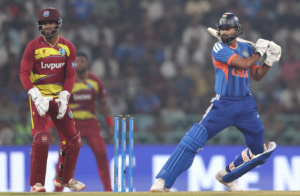
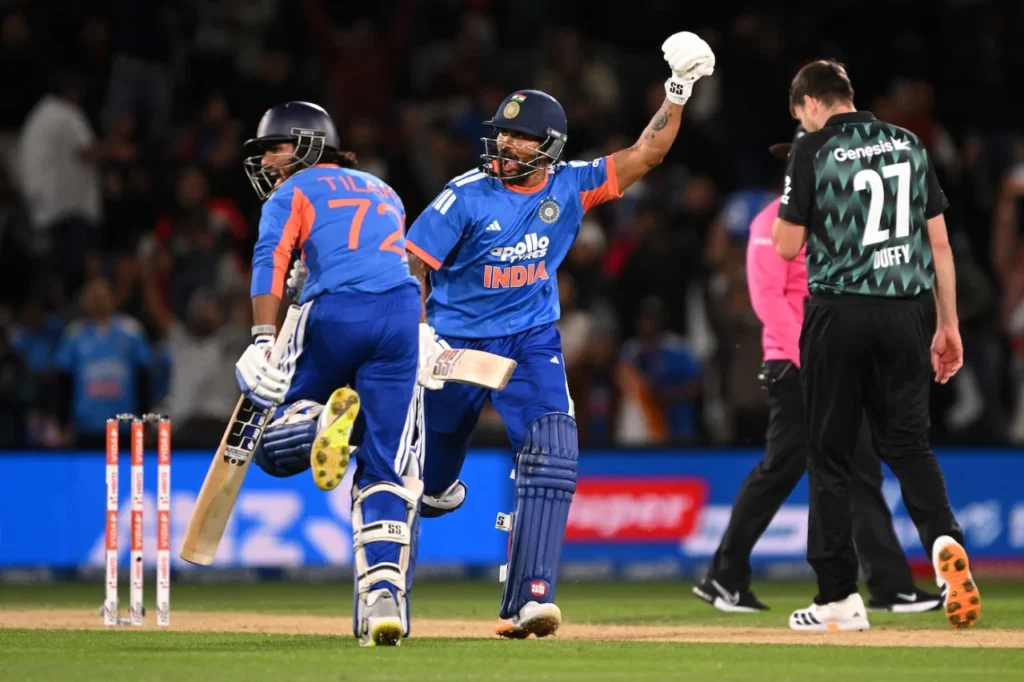
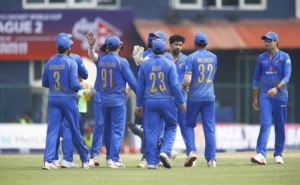
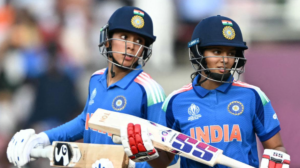
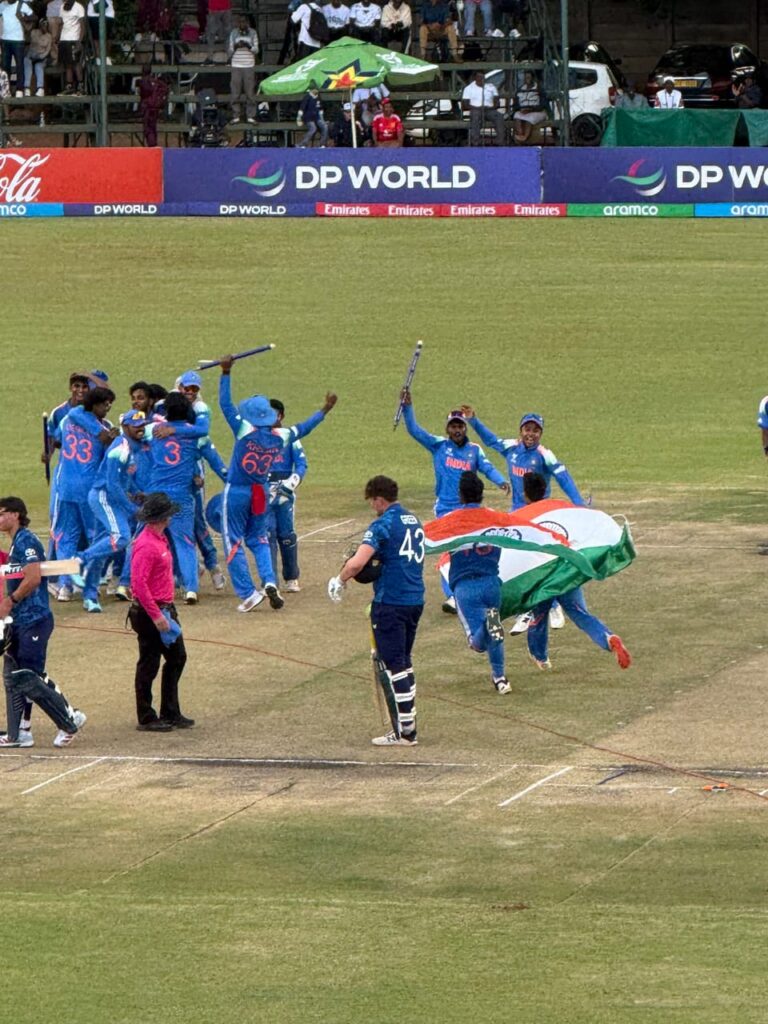
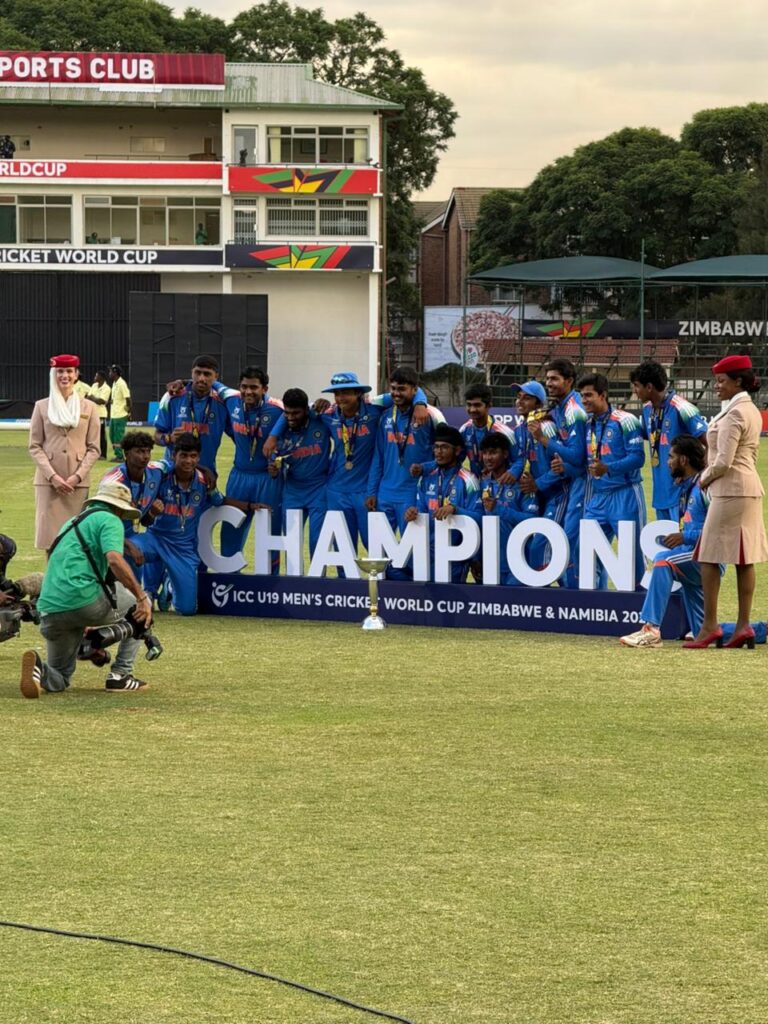
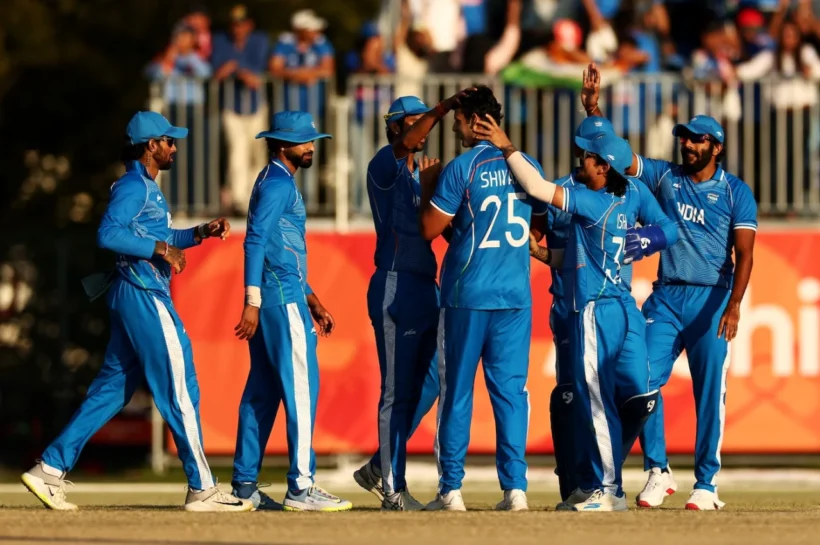
India’s historic sweep, clinching double gold in both the men’s and women’s events at the Hangzhou Asian Games and their double-gold medals at Aichi-Nagoya, proved that cricket could headline a multi-sport program. When an India-Pakistan final unfolds on an Asian Games stage, it commands global broadcast metrics, captivating non-cricketing audiences from Tokyo to Tashkent and providing host broadcasters with unprecedented viewer retention.
More importantly, India’s participation elevated the competitive stakes for everyone else. When associate nations like Nepal, Japan, or Malaysia step onto the field against world-class opposition, it validates their domestic programs and draws massive domestic media visibility that single-sport bilateral series rarely generate.
Beyond the Commonwealth horizon
The ripple effects extend far beyond podium finishes. When cricket is featured alongside track and field, gymnastics, and swimming, the global perception of the game changes. It reframes cricket from an esoteric, day-long Commonwealth pastime into a crisp, high-octane 20-over contest easily digested by neutral spectators.
Cricket’s return at LA28 follows a formal Olympic process. The LA28 Organising Committee proposed T20 cricket, the IOC reviewed it, and the 141st IOC Session approved it in 2023. Separate six-team men’s and women’s tournaments will feature 15-player squads, with qualification tied to National Olympic Committees, continental pathways, a conditional US host place, and a 2027 ICC qualifier.
The compact format fits Olympic limits while maximizing broadcast appeal. More importantly, Olympic status could unlock public funding, facilities, youth pathways, new audiences, and equal visibility for women’s cricket, turning a showcase in Los Angeles into a lasting engine of global growth.
For more news & updates, follow The Crichub on Instagram, X and YouTube