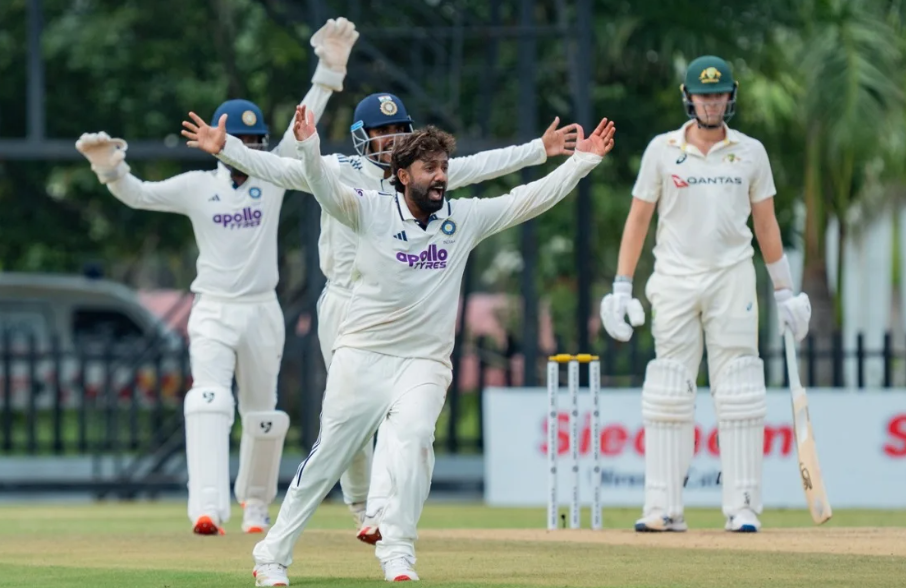
The Asian Games T20 tournament in Japan will bring together a fascinating mix of powerhouse Test nations and rising Associate challengers. The tournament, running from September 24 to October 3, 2026 will see all- from the heavyweights to the underdogs, chasing the Gold.
Asia’s top four full-member teams- India, Pakistan, Sri Lanka, Bangladesh cemented their place in the quarter-finals, thanks to their ICC T20I rankings. The remaining six teams are divided into two groups of three who will play for the remaining knockout spots. Group A features Afghanistan, Nepal, Japan whereas Group B features Hong Kong, Malaysia, Oman.
The top two teams from Groups A and B will advance to the quarter-finals on September 28–29, setting the stage for the semi-finals on October 1 and the ultimate showdown for the Gold Medal on October 3.
Direct Quarterfinalists: The heavyweights
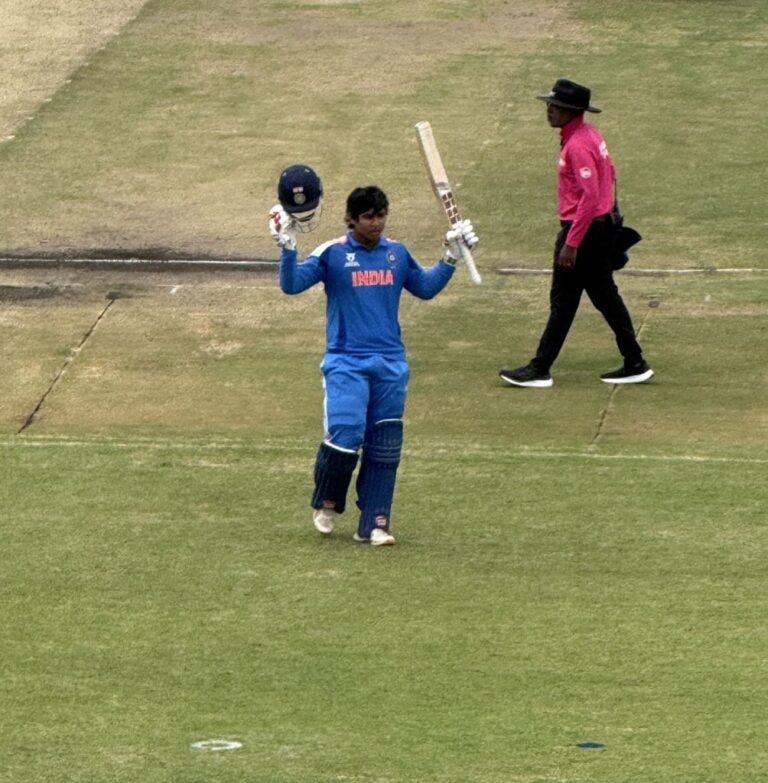
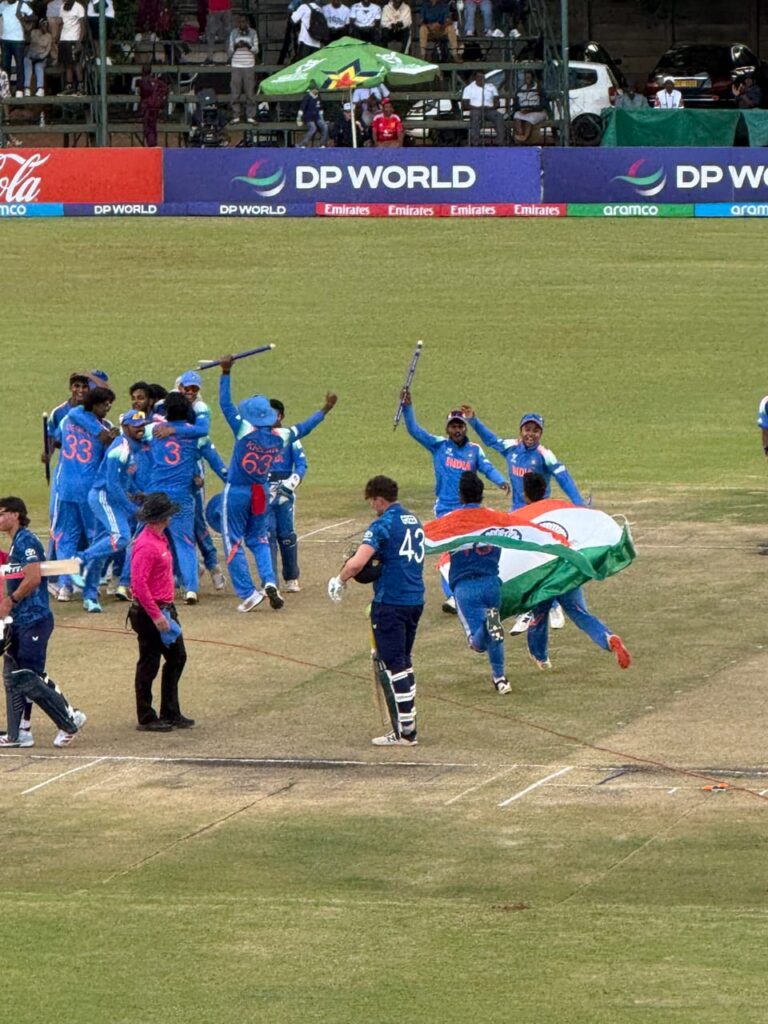
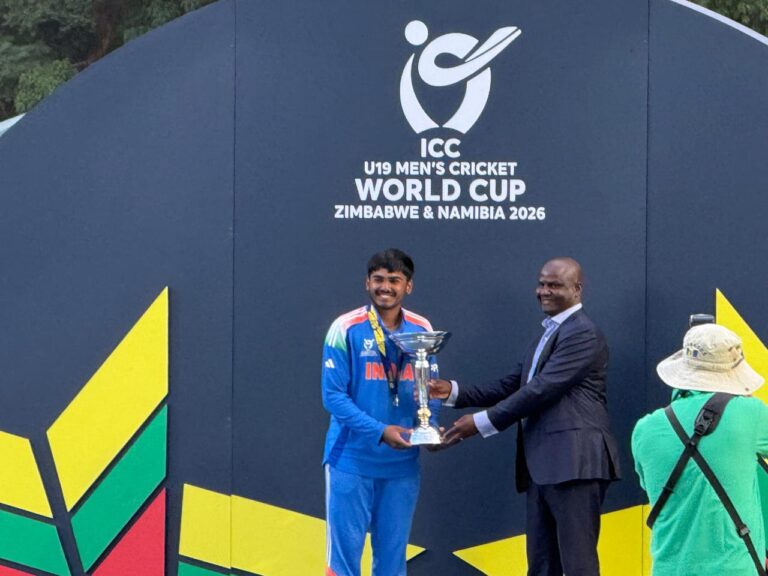
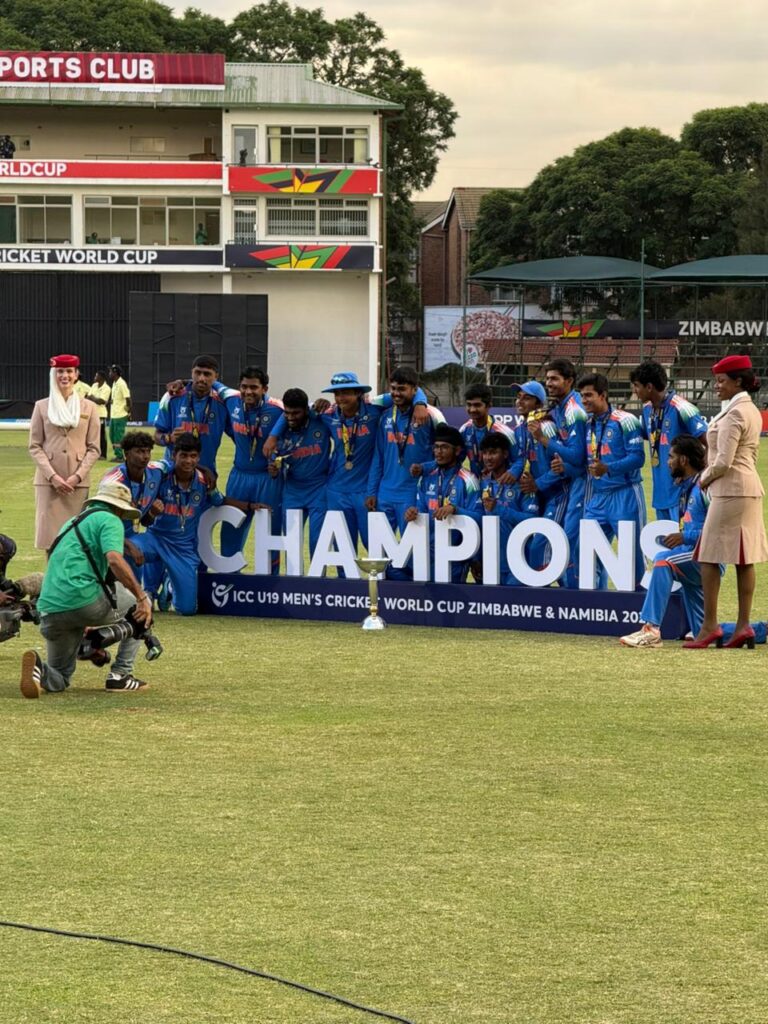
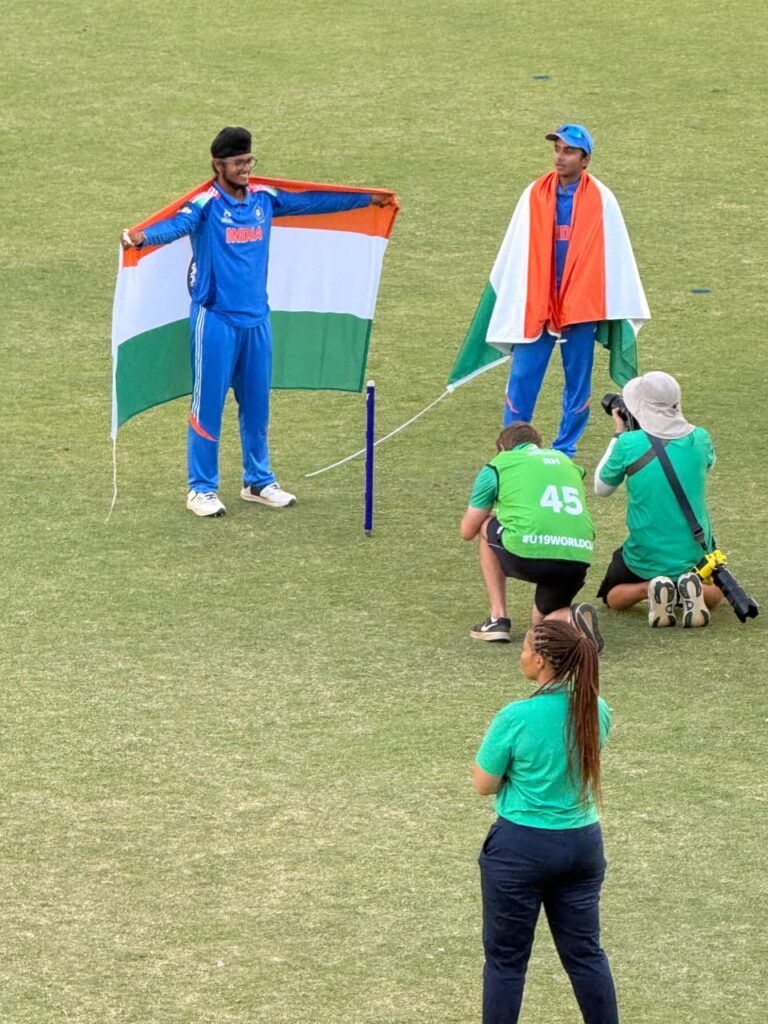
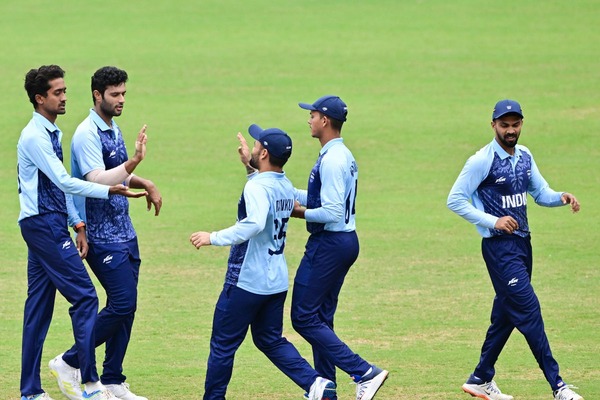
India: Led by Shreyas Iyer, Indian cricket team brings a deeply explosive T20 squad combining experienced internationals like Jasprit Bumrah, Sanju Samson, and Axar Patel with impressive domestic stars. The defending champions enter as the team to beat, boasting depth across all departments.
Shreyas Iyer (c), Abhishek Sharma, Sanju Samson, Ishan Kishan, Shivam Dube, Tilak Varma, Vipraj Nigam, Axar Patel, Washington Sundar, Ravi Bishnoi, Jasprit Bumrah, Harshit Rana, Arshdeep Singh, Vaibhav Sooryavanshi
Pakistan: Pakistan’s squad features explosive young talent blended with experienced pace elements. Their rivalry matchups in the knockouts are always the emotional heartbeat for any Asian tournament.
Sahibzada Farhan (c), Abdul Samad (vc), Abrar Ahmed, Ahmed Daniyal, Akif Javed, Ali Raza, Arafat Minhas, Haider Ali, Hasan Nawaz, Maaz Sadaqat, Mohammad Salman Mirza, Saad Masood, Saim Ayub, Sufyan Moqim, Usman Khan
Sri Lanka: Led by Sahan Arachchige, Sri Lanka’s white-ball setup relies heavily on smart spin variations such as Vijayakanth Viyaskanth. Their power-hitters are capable of exploiting sub-continent conditions or turning tracks anywhere in Asia.
Sahan Arachchige (c), Ashen Bandara, Lasith Croospulle, Sohan de Livera, Niroshan Dickwella (wk), Binura Fernando, Nuwanidu Fernando, Tharindu Ratnayake, Dushan Hemantha, Sineth Jayawardena, Chamika Karunaratne, Garuka Sanketh, Wanuja Sahan, Nuwan Thushara, Vijayakanth Viyaskanth
Bangladesh: Under Litton Das, Bangladesh fields a brave, experienced T20 side. With multi-skill anchors like Shak Mahedi Hasan and Mustafizur Rahman leading the attack, they are the ultimate dark horses among the heavyweights, capable of taking down any giant on their day.
Litton Das (c), Tanzid Hasan, Parvez Hossain Emon, Mohammed Saif Hasan, Najmul Hossain Shanto, Tawhid Hridoy, Musaddek Hossain Saikat, Yasir Ali Chowdhury, Rishad Hossain, Shak Mahedi Hasan, Nasum Ahmed, Shoriful Islam, Mustafizur Rahman, Hasan Mahmud, Aliss Al Islam
Also read: Axar’s last-over heroics save India from Japan scare in historic T20I
The Qualifiers & Contenders
Afghanistan: Afghanistan enter Group A with strong T20 pedigree and the confidence to proceed. Darwish Rasooli brings attacking intent, while Karim Janat offers all-round impact. How they handle the pressure of being favourites against Nepal and Japan could define their medal run.
Darwish Rasooli (c), Abdullah Ahmadzai, Mohammad Akram, Ismat Alam, Faridoon Dawoodzai, Hassan Eisakhil, Mohammad Ishaq, Karim Janat, Faisal Khan, Nangyal Kharoti, Imran Mir, Arab Gul Momand, Farmanullah Safi, Khalid Taniwal, Najibullah Zadran
Nepal: Nepal enter the preliminary round with confidence after winning the ACC Men’s Premier Cup. Captain Rohit Paudel brings stability to the batting, while Sandeep Lamichhane’s spin can quickly derail a chase. Their fearless approach will be a major factor which could earn them a chance to challenge a heavyweight in the quarterfinals.
Dipendra Singh Airee (c), Rohit Kumar Paudel, Sompal Kami, Karan KC, Sandeep Lamichhane, Aarif Sheikh, Aasif Sheikh, Kushal Bhurtel, Lalit Rajbanshi, Gulsan Kumar Jha, Nandan Yadav, Lokesh Bam, Sundeep Jora, Sher Malla, Kushal Malla
Hong Kong: Hong Kong will rely on experience and discipline in Group B. Babar Hayat supplies power. The sharp fielding and calm death-over decisions could be a gamechanger for the side.
Yasim Murtaza (c), Babar Hayat, Anas Khan, Anshuman Rath, Ayush Shukla, Ehsan Khan, Hafeez Khan, Hussain Rajab, Mohammad Ghazanfar, Mohammad Hassan Khan, Mohammad Waheed, Nizakat Khan, Rana Nasrulla, Shahid Wasif, Shiv Mathur
Oman: Oman’s experience in high-pressure Associate cricket gives them a structured, resilient approach. If they can stay composed in key moments, they can reach the next stage and create trouble for the high-profile teams.
Sufyan Mehmood (c), Muzaffar Shiralkar, Mohammed Ali Al Balushi, Zubair Al Balushi, Shuaib Al Balushi, Nawed Al Balushi, Wasim Al Balushi, Ahmed Al Zadjali, Sameer Othman, Waheed Al Balushi, Faris Al Balushi, Mohammed Osman, Issa Rahim Al Balushi, Abdul Jalil, Qais Al Balushi
Malaysia: Malaysia combine experienced players with an ambitious approach. Syed Aziz can provide early momentum, while Virandeep Singh adds all-round balance. Disciplined bowling, clean fielding, and composed finishing could carry them into the quarterfinals.
Syed Aziz Mubarak (c), Muhammad Amir Azim, Sharvin Muniandy, Aslam Khan Malik, Rahim Khan, Muhamad Syahadat, Muhammad Akram, Amir Khan Malik, Muhammad Haziq Aiman, Ainool Hafizs, Virandeep Singh, Pavandeep Singh, Vijay Unni, Azri Azhar, Muhammad Wafiq.
Japan: Japan have home support and a valuable platform for cricket’s growth in East Asia. To challenge stronger Group A opponents, they must protect wickets, bowl accurately, and stay composed under pressure.
Sufyan Mehmood (c), Muzaffar Shiralkar, Mohammed Ali Al Balushi, Zubair Al Balushi, Shuaib Al Balushi, Nawed Al Balushi, Wasim Al Balushi, Ahmed Al Zadjali, Sameer Othman, Waheed Al Balushi, Faris Al Balushi, Mohammed Osman, Issa Rahim Al Balushi, Abdul Jalil, Qais Al Balushi